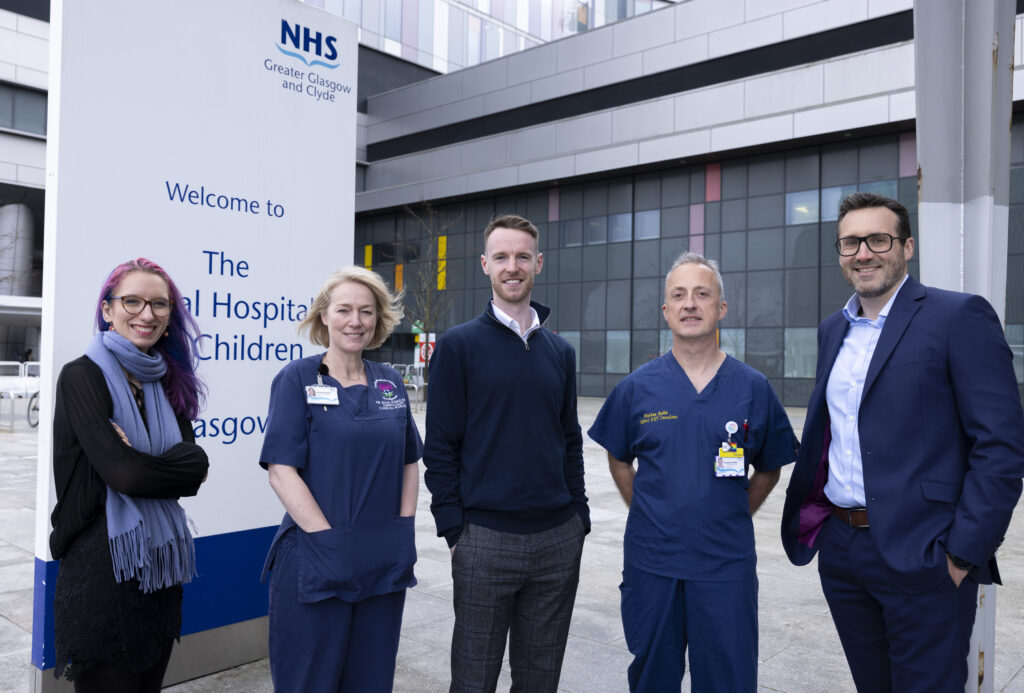
AI software designed to help diagnose sleep apnoea in children has achieved high accuracy in NHS trials, with the findings independently reviewed by clinical specialists.
Glasgow company Seluna tested its software on 500 retrospective sleep studies from NHS Greater Glasgow and Clyde’s Royal Hospital for Children. The technology processed each study in under five minutes and identified severe sleep apnoea with 100% accuracy based on AHI severity classification, while mild cases achieved 86% and moderate cases 92% – results that fall within the normal range of variation seen when trained clinicians review the same data, known as human inter-scorer variability.
Paediatric sleep apnoea affects up to 4% of children globally yet remains widely underdiagnosed. The condition can cause serious developmental and behavioural problems if left untreated. Sleep studies produce vast amounts of complex physiological data that doctors and physiologists must interpret manually – a process that can take up to four hours per patient and requires specialist staff who are in short supply.
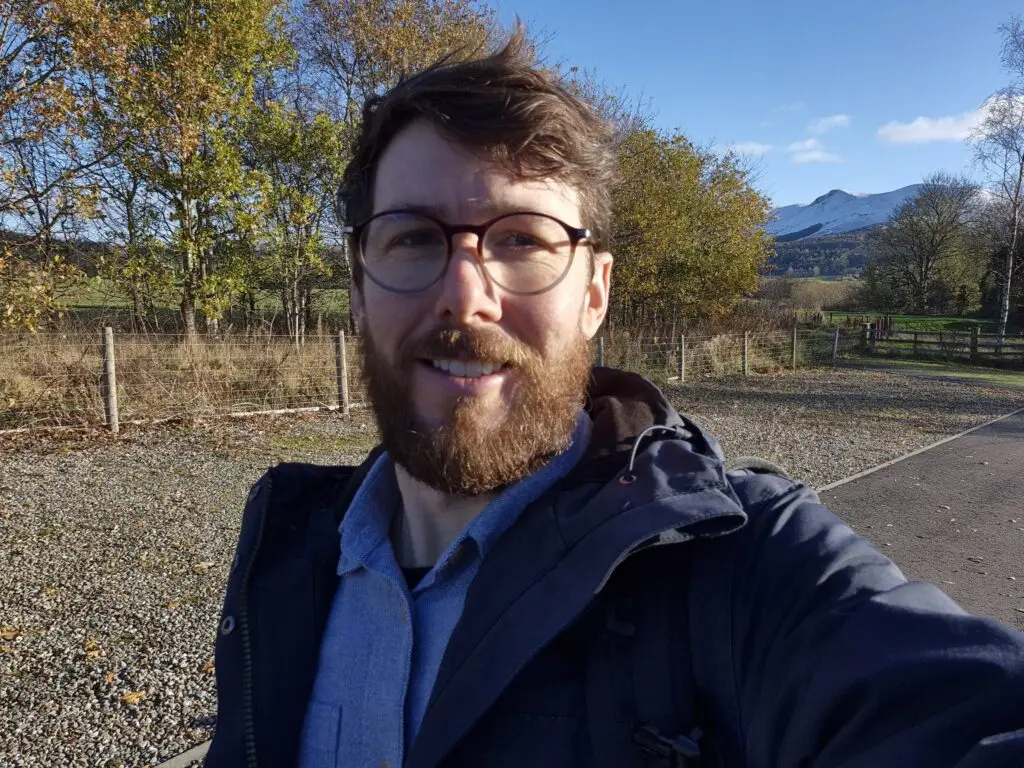
Tristan, 41, from Edinburgh, first suspected his daughter had sleep apnoea when she was around two or three years old. He said: “Like most first-time parents, you have no idea what’s normal, so you don’t know if something’s wrong. She kept waking up frequently through the night and was getting viral infections quite badly – she was hospitalised three times. She also snores and mouth breathes, which we knew were signs. We did look into getting a sleep study done, but we were put off by the waiting lists and by the idea of putting her into a clinical environment that’s completely different from where she normally sleeps – how much would that actually skew the results? So, we just never went down that route.
“She’s seven now and the question is still unanswered. If the process had been faster and more straightforward, it would have been a much easier decision to make. I’d say to any other parent in the same position: don’t wait and hope it’s just going to disappear. Sometimes it just doesn’t go away.”
Seluna’s software intends to support doctors, allowing them to interpret sleep studies more efficiently, reducing strain on health services and providing faster results to families.
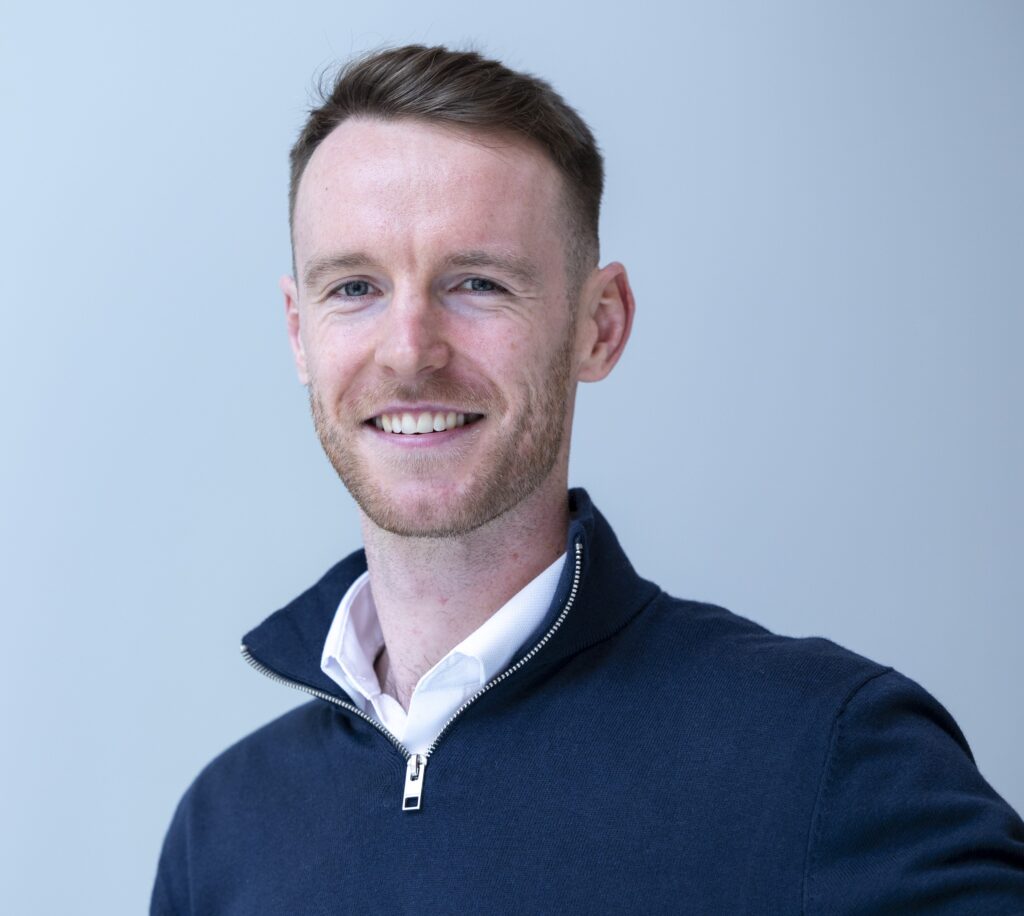
Dr Scott Black, CEO of Seluna, said: “I’ve heard doctors describe their sleep departments as ‘drowning in data’, with no ability to scale to meet growing demand. What this study proves is that our software works on real NHS data, with all the missing sensors and messy signals that paediatric sleep medicine involves. Our goal now is to replicate this study with hospitals across the UK and get our solution into the hands of clinicians.”
Findings from the study, which has been supported by the West of Scotland Innovation Hub, have been independently reviewed by paediatric sleep specialists at Sheffield Children’s NHS Foundation Trust and University Hospital Southampton NHS Foundation Trust.
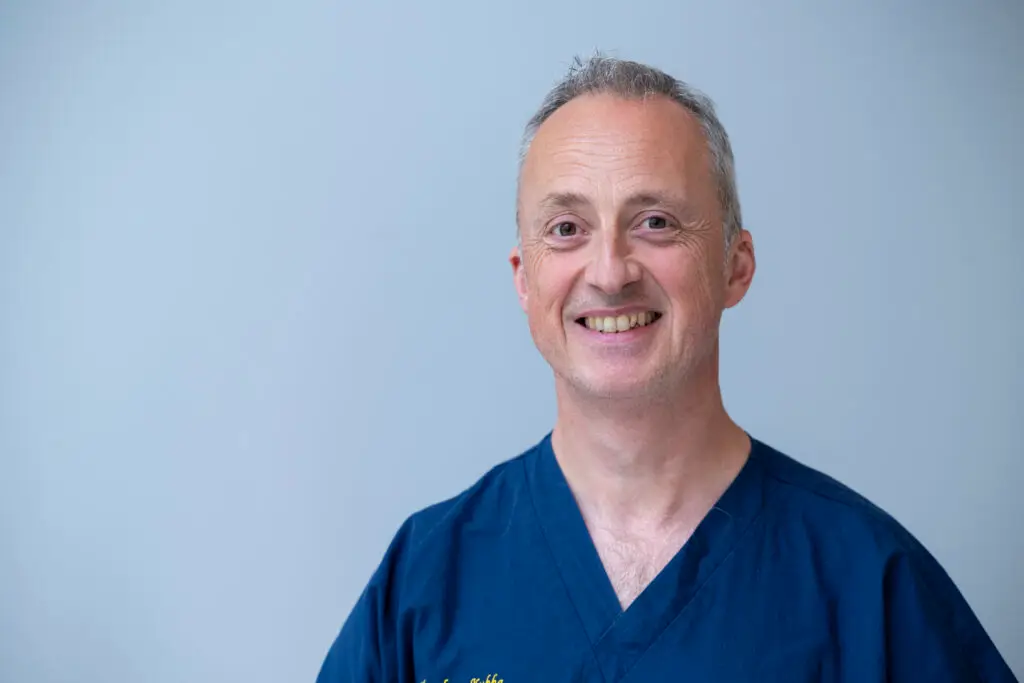
Dr Haytham Kubba, paediatric ENT surgeon at the Royal Hospital for Children, said: “Adenotonsillectomy is the most common procedure we perform in children, and sleep apnoea is the most common reason for it. Seluna’s technology has the potential to reduce delays, improve consistency in reporting, and allow us to prioritise care for the children who most urgently need intervention.”
A UK-wide trial involving six children’s hospitals is now pending ethical approval. Seluna is also conducting a further study in the United States.